Vape detectors used to be a niche tool in a few schools trying to get ahead of student vaping. That has changed. Facilities managers now ask about vape sensor options the same way they ask about smoke detectors or an air quality sensor. They want to understand not only how to detect electronic cigarette use, THC aerosols, or nicotine, but how to fold that data into the wider building infrastructure: HVAC, access control, fire alarm systems, and indoor air quality monitors.
That integration piece is where most projects either succeed quietly or turn into constant trouble tickets. The technology for aerosol detection is mature enough to be reliable, but connecting it to a live building with students, employees, visitors, and regulators watching is a different skill set.
What follows reflects the patterns that keep showing up in real deployments: in schools working on vaping prevention, in workplaces trying to protect employee health, and in clinical environments where vaping-associated pulmonary injury risk is taken seriously. The focus is practical: how to integrate vape detection into your building management and access control systems in a way that is effective, fair, and maintainable.
Why vape detection belongs in the building ecosystem
The first question I usually ask a site team is simple: what problem are you actually trying to solve? Answers usually cluster in four areas.
In schools, the driver is school safety and student health. Administrators want vape free zones, especially in restrooms and locker rooms, both for nicotine and THC detection. They are less interested in issuing suspensions than in stopping hotspots and supporting vaping prevention programs with real data.
In workplaces, the concern is occupational safety and workplace safety. HR and safety officers worry about indoor air quality where vaping spills into open office plans or manufacturing spaces with sensitive processes. They are accountable for employee health and, in some sectors, for contamination control.
In healthcare and residential settings, indoor air quality and patient safety are central. For example, oxygen enriched environments and vaping do not mix well. Behavioral health units often need quiet, non intrusive monitoring rather than loud alarms.
In hospitality and multi tenant buildings, the focus is contract enforcement and nuisance control. Owners do not want traditional smoke, but increasingly they also do not want nicotine residues and lingering volatile organic compounds from heavy vaping in non smoking rooms.
What all of these have in common is that vape detection cannot operate in a vacuum. A vape alarm in a ceiling node is useless unless it feeds into the same operational nervous system as your smoke detectors, access control, video management, and HVAC controls.
What modern vape sensors actually measure
It helps to clear up a misconception at the outset: vape detectors do not literally sniff nicotine molecules the way a laboratory drug test does, at least not in typical commercial hardware. Most field units combine several types of sensor technology and make a decision based on a pattern.
The common elements are:
Photoelectric or laser based aerosol detection. These are conceptually similar to some smoke detector designs but tuned for the dense particulate matter produced by electronic cigarette aerosols. Many vapes produce particles in different size distributions than traditional smoke, so firmware and signal processing matter as much as the optical path.
Volatile organic compound sensing. Vaping fluids include a mix of VOCs. Semiconductor or photoionization based VOC sensors can detect changes in concentration in the parts per billion to parts per million range. This layer is useful for distinguishing vape clouds from, say, steam from a shower.
Temperature and humidity. Rapid local changes can help the algorithms, and also feed into indoor air quality monitoring more broadly.
Machine olfaction style pattern analysis. Vendors will not always use that term, but conceptually that is what is happening. The device combines several imperfect signals into a probability that someone is using an electronic cigarette nearby.
More advanced units incorporate a dedicated nicotine sensor or THC detection channel, but those tend to be more expensive and may require calibration and specific placement strategies. In my experience, the biggest step forward is not a magical new sensor, but smart combination of aerosol detection, VOC response, and context.
Understanding this stack matters because it affects how you interpret and route alarms once they are integrated with the rest of the building systems. A https://www.nwahomepage.com/business/press-releases/globenewswire/9649153/zeptive-unveils-settlement-to-safety-program-to-maximize-juul-and-altria-settlement-funds-for-schools-by-2026 “high confidence vape event” is not the same as a legally admissible drug test, and the way you write policies should reflect that.
How vape detection differs from traditional smoke detectors
People frequently ask if they can simply tie vape detectors into the fire alarm system like extra smoke detectors. Technically, in some jurisdictions, you can pipe their contacts into the fire panel. Operationally, that is almost always a bad idea.
Fire alarm systems are regulated life safety systems. They must maintain very low false alarm rates, respond in a highly predictable way, and prioritize evacuation. Vape detection serves a different purpose: behavioral deterrence, indoor air quality management, and targeted response. You want a very different response curve and notification path.
Key differences that shape integration design:
Aerosol profile. Vape detectors focus on dense particulate matter that might not trigger a code compliant smoke detector, or would trigger it too slowly. They aim at early, local detection.
Response hierarchy. A vape alarm might first go to a school dean, a resident advisor, or a facilities manager, not trigger strobes and building wide evacuations.
Granularity. Vape sensors are typically deployed densely, down to restroom or even stall level zones, while smoke detectors tend to follow fire code spacing rules.
Data richness. Modern vape sensors are usually IP devices and part of a wireless sensor network or wired Ethernet plant. They produce a stream of telemetry: event strength, duration, air quality index approximations, particulate and VOC trends. A traditional smoke detector is usually a binary point.
Those differences mean that integrating vape sensors is closer to integrating an indoor air quality monitor or a security sensor than it is to simply adding more fire points.
The building systems they need to talk to
Before you plan integration, map the key systems that will either consume vape data or affect vape related responses.
Building management system (BMS). This is the orchestration layer that controls HVAC, schedules, setpoints, and sometimes lighting. Vape events can inform ventilation strategies: temporary boost in exhaust, increased make up air, or even logging of zones with chronic poor indoor air quality.
Access control. Card readers, electronic locks, and intrusion points form a powerful enforcement and investigation layer when combined with vape alarms. Access logs around high frequency vape events often reveal patterns: certain groups using particular restrooms at specific times.
Video management. In some environments, a vape alarm in an access controlled area is a useful trigger to bookmark nearby cameras at that timestamp. This is common in higher education and transportation hubs but should be balanced carefully with privacy expectations, especially for student health in K 12 settings.
Fire alarm system. In many integrations, the connection is indirect. The fire panel might supervise power or act as a backbone for some sensor loops, while vape detection logic and notifications stay inside a different subsystem. The main principle is to avoid letting nuisance vape alarms degrade trust in life safety alarms.
Network and security infrastructure. Vape sensors in a modern Internet of Things world are simply specialized nodes. They sit on VLANs, talk via BACnet/IP, MQTT, or HTTPS, and need the same cybersecurity hygiene as any other endpoint.
If you keep the mental model that vape sensors are high resolution indoor air quality and behavior sensors feeding the building nervous system, the integration decisions start to group themselves naturally.
Integration patterns that actually work
Across school districts, corporate campuses, and healthcare facilities, three patterns show up again and again. The best choice depends on your existing ecosystem and IT appetite.
Direct BMS integration. In buildings with a mature BMS, vape detectors expose data points via BACnet, Modbus TCP, or an open API. The BMS then acts as the central logic engine: it interprets thresholds, triggers notifications, writes to trend logs, and controls any HVAC response. This pattern works well where the facilities team already lives inside the BMS every day.
Security system centric integration. Here, vape detectors tie primarily into the access control and security management platform. The security console becomes the source of truth for events, with operators dispatching responders, calling administrators, and pulling associated access and video data. This approach is typical in K 12 districts where security teams already monitor cameras and door alarms around the clock.
Hybrid, with a dedicated vape or air quality server. Some vendors provide an appliance or cloud platform that aggregates vape sensor data, performs analytics, and then exposes higher level events to both BMS and security via APIs or message queues like MQTT. Facilities uses it to look at air quality trends and vaping hotspots, while security uses distilled alarms and case reports. This suits organizations that want richer reporting and longer historical context.
In all three, a critical design choice is alarm severity mapping. You rarely want a binary “vape or not vape.” Many systems support tiers, such as “possible vape,” “probable vape,” and “sustained event.” You can map these to different responses: a quiet log entry, a message to a dean, or a real time page to security for a serious THC detection event.
What integration looks like on the ground: three scenarios
Abstract diagrams only go so far. The texture of a project becomes clearer in concrete examples.
A secondary school district tightening vape free zones
One district I worked with started with a small pilot: twelve vape sensors in two high schools, all in restrooms and locker rooms. The sensors used PoE for power and Ethernet for connectivity, and they reported into a cloud based dashboard, with email alerts to administrators.
The first issue was noise. During the first weeks, they saw dozens of low level alerts, some triggered by aerosol hair products and dense steam. Rather than wire those directly into the access control system, we set up a rule: only sustained alarms over a threshold, or more than three events in a rolling hour, would push through as actionable incidents.
Integration then focused on three connections. First, access control logs around frequent alarms, to identify recurring groups during specific periods. Second, integration with the paging system so that known hotspots could trigger staff walkthroughs without sounding dramatic alarms. Third, weekly reports for the student wellness team, who paired the data with counseling interventions.
Fire alarms remained separate. Vape alarms never pulled a fire panel, by design. That allowed staff to treat vape incidents as behavior and health issues, not life safety.
Over a year, the trends were clear. A few restrooms remained stubbornly active, and the district eventually used access control and supervision to keep those areas monitored more closely, while other areas quieted down to only occasional events.
A manufacturing facility focused on occupational safety
In a light manufacturing plant, the concern was occupational safety and a sensitive process, not discipline. The air quality team already monitored particulate matter, VOCs, and an air quality index across zones using a wireless sensor network.
Here, integrating vape sensors meant folding them into an existing array of indoor air quality monitors. The detectors supported Modbus TCP, which fed into the plant BMS. Vape events in zones with sensitive equipment triggered a ramp up of local exhaust fans, temporary rerouting of airflow, and a log entry tagged for the safety manager.
No one wanted security guards investigating restroom activity. Instead, HR and safety used aggregated data to adjust signage, designated outdoor vaping areas, and ventilation. Over time, exposures to unapproved aerosols around sensitive lines dropped, which showed up both in process yield numbers and in lower complaints about air quality.
In this type of environment, vape detection is closer to any other process sensor technology. The emphasis is on indoor air quality and employee health, not on catching specific individuals.
A healthcare facility balancing patient care and privacy
Healthcare presents a tricky edge case. Respiratory units, behavioral health, and long term care facilities all wrestle with vaping. A single THC vape session in a room with an oxygen concentrator is a serious risk. At the same time, patient privacy and dignity matter.
One hospital I consulted for approached this with a layered design. Vape detectors went into semi public spaces: unit corridors, staff lounges, and certain bathrooms, not into every patient room. The sensors fed into the hospital’s security and nurse call systems through a dedicated integration server.
Low level vape events were treated as indoor air quality issues and logged, with periodic review. Only repeated or high confidence alarms near specific rooms triggered a notification to the charge nurse, who could then decide whether to check in on the patient subtly.
Access control came into play in staff areas, where off duty vaping in restricted spaces was creating odor complaints and potential occupational safety issues. In those zones, direct correlation between vape alarms and staff access logs allowed quiet coaching conversations without public shaming.
This case highlights that the same vape alarm means something different in a student restroom, a production floor, and a respiratory ward. The integration must reflect the context.
Technical plumbing: protocols, networks, and cybersecurity
Every integration meeting eventually arrives at the same trio of questions: how do they talk, where do they live on the network, and how do we secure them.
Protocols vary by vendor. The most common patterns are BACnet/IP or Modbus TCP for traditional BMS integration, and HTTPS or MQTT for cloud or custom application integration. Some devices also expose SNMP traps for basic alarm signaling. A few still offer dry contacts for simple on or off alarm integration with legacy panels, but that wastes the richer telemetry that makes vape detectors so useful.
From a network perspective, treat vape sensors like any other Internet of Things node. Segment them onto dedicated VLANs, control outbound access tightly, and use authentication for any management interfaces. If the vendor supports certificate based TLS, use it. Where wireless sensor networks are involved, pay attention to how gateways connect and how often data is backhauled.
Cybersecurity is not a theoretical concern here. Any IP connected sensor that can see occupancy patterns, student behavior, or staff habits is sensitive. A compromised vape detection network might reveal which restrooms are busy when, or correlate student schedules with behavior. Make sure your IT and security teams review these deployments the same way they would review access control or camera systems.
Firmware updates are another practical detail. Vape detectors are often mounted in ceilings or high in restrooms, not easily reachable. Remote firmware update capability, with proper change control, matters for both security patches and sensor algorithm improvements.
Using building systems to respond intelligently, not just loudly
Once vape data flows into your building management and access control systems, the temptation is to alert on everything. That usually backfires. People habituate to alarms, and soon no one takes them seriously.
Instead, view integration as a way to turn vape detection from raw signal into graduated, context aware response. A few levers are especially powerful.
Ventilation response. In restrooms and certain work zones, triggering a short term ventilation boost in response to a sustained vape alarm can dilute concentrations of particulate matter and volatile organic compounds. That helps indoor air quality and reduces lingering odors that bother other occupants.
Zoning and heat mapping. By logging vape events in a central database and linking them to spaces, you can generate heat maps that guide policy, supervision, and environmental changes. This is particularly useful for school safety teams who want to measure whether interventions actually reduce vaping.
Soft notifications. Not every event should trigger a radio call. Email, SMS, or app notifications to specific roles (assistant principals, floor supervisors) can handle most incidents without involving central security.
Correlating with access events. For truly restricted areas, such as chemical storage rooms or data centers, correlating vape alarms with door access around the same time can help you identify misuse quickly. That is where tight integration with access control shines.
Quiet logging for health analytics. In hospitals and some workplaces, the main value is in trend analysis. Integrating vape sensor feeds into broader indoor air quality monitoring platforms allows occupational health teams to correlate vaping with symptoms, complaints, or even absenteeism over time.
The point is not to turn vape detectors into sirens, but into smart inputs that let the building respond proportionally.
Policy, privacy, and fairness: the human side of integration
Integrating technology without a clear policy framework is asking for trouble. Vape detectors implicate student health, employee discipline, and sometimes legal questions around substances like THC. When you tie them into access control and video systems, the stakes rise.
In schools, transparency is essential. Students and parents should know where vape sensors are located, what kind of data they generate, and how that data will be used. If alarms feed into a system that can associate events with specific students via access logs or camera footage, the school should articulate thresholds for disciplinary versus counseling responses. Many districts have shifted away from purely punitive approaches in favor of vaping prevention and support.
In workplaces, vape detection should sit inside a broader occupational safety policy, not stand alone. Employees should understand that indoor air quality monitoring includes aerosol detection, and that chronic violations in restricted zones may lead to coaching or discipline. Tying vape detection to access control requires care to avoid creating a feeling of constant surveillance. Anonymous aggregation for indoor air quality trends helps balance safety with respect.
Healthcare and residential settings must align vape detection with privacy laws and ethical considerations. A vape alarm in a patient bathroom is sensitive. Where possible, focus on that data as an indoor air quality and fire risk trigger, not as an enforcement mechanism against individuals, unless there is a clear and communicated risk justification.
The presence of THC detection capability raises the stakes. The more specific and “drug test like” a sensor becomes, the more you need explicit policy, informed consent where required, and clear guidance from legal counsel.
A practical roadmap to integration
Teams often ask for a simple sequence. The reality is that each site is unique, but a structured path reduces surprises. One useful approach is:
Define objectives and boundaries. Decide whether your primary goal is school safety, occupational safety, indoor air quality improvement, vaping prevention, or a mix. Clarify what you will not do, such as using vape detector data for law enforcement referrals without other evidence.
Map existing systems and data paths. Inventory your BMS, access control, video, indoor air quality monitors, smoke detectors, and fire alarm system. Identify where vape data should land and who will own it.
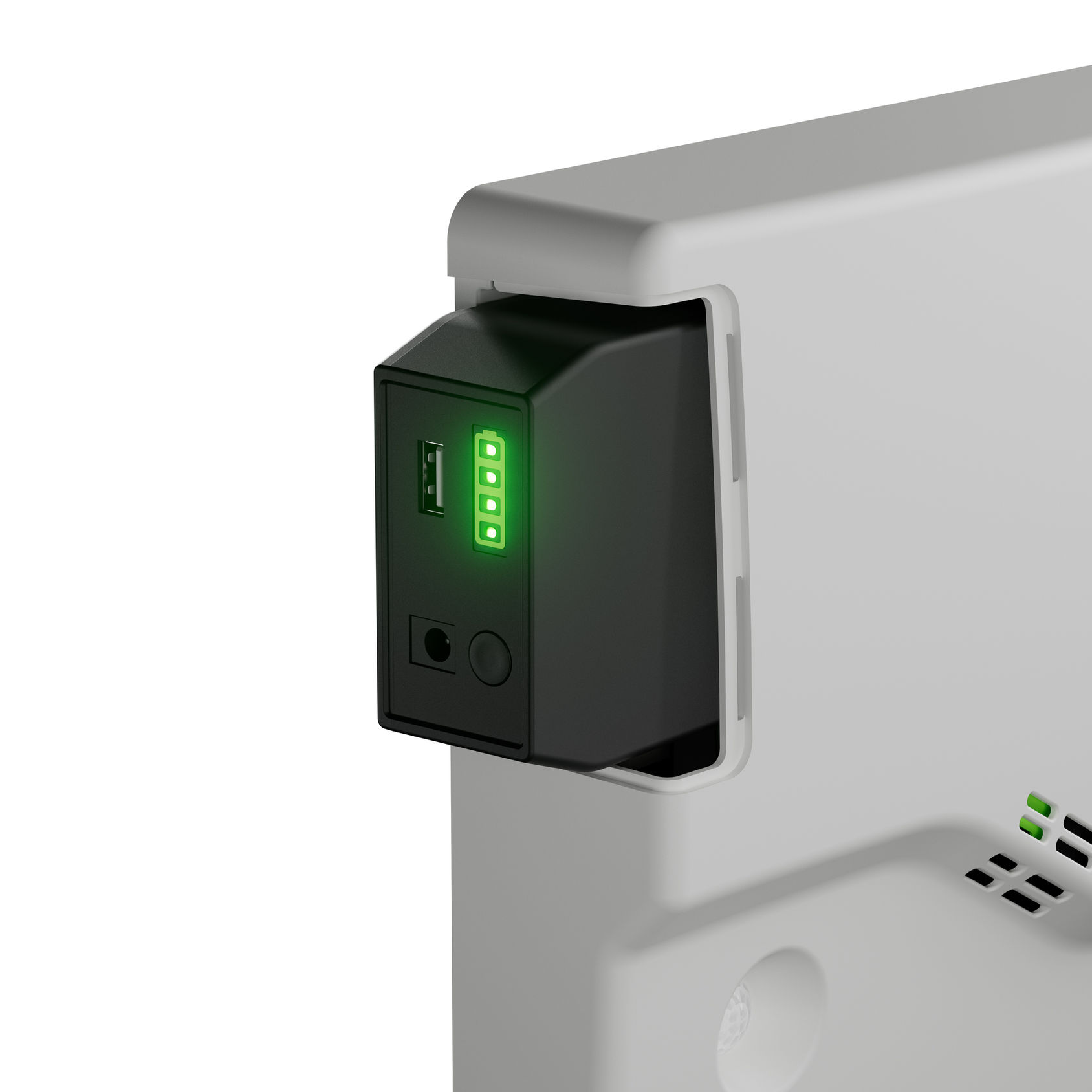
Pilot in a few zones. Start with a limited deployment in representative spaces. Integrate with one or two systems, tune alarm thresholds, study aerosol detection behavior, and gather feedback from staff on false positives and workload impact.
Formalize policies and training. Before scaling, document how vape alarms are handled, what responses are appropriate at each severity level, and how privacy is protected. Train both operators and on the ground staff who will respond to alarms.
Scale with monitoring and periodic review. As you add more vape sensors and deeper integrations, monitor event volumes, false alarm rates, and the impact on student health or employee health metrics. Adjust placement, thresholds, and response plans over time.
Treat this as an iterative process. Vape technology and vaping behaviors evolve, and your integration should be adaptable rather than frozen.
Common pitfalls and how to avoid them
Across projects, the same mistakes recur.
Overloading fire systems. Feeding vape alarms directly into fire panels, especially in ways that can cause evacuations, quickly erodes trust. Keep life safety and vape behavioral alarms distinct, even if they share some underlying sensors.
Ignoring the network. Dropping dozens or hundreds of IP based vape sensors into a building without IT involvement leads to address conflicts, unsecured devices, and management headaches. Involve network and security teams from the planning phase.
Underestimating calibration and environment. Vape detectors in humid locker rooms, shower adjacent restrooms, or industrial zones with aerosols behave differently than in dry corridors. Build in time to adjust sensitivity and alarm thresholds for each environment.
Lack of ownership. Vape detection touches facilities, security, IT, HR, and, in schools, student services. Without a clear owner for the system and the data, integration efforts drift. Decide which department owns configuration, reporting, and vendor relationships.
Treating vape alarms as proof of intent. A vape alarm indicates a high probability of aerosol consistent with electronic cigarette use, not a courtroom standard of evidence. Use that information to guide supervision, conversations, and indoor air quality management, not as the only basis for severe sanctions.
Avoiding these traps is often more about governance and communication than about hardware choices.
Looking forward: vape detection as part of healthier buildings
Vape sensors started as niche devices to catch rule breakers in restrooms. Integrated properly, they belong to a broader trend: buildings that understand their own air and use that insight to protect occupants.
As sensor technology improves, vape detectors will continue to blend into indoor air quality monitors, combining particulate matter readings, volatile organic compound profiles, carbon dioxide, humidity, and temperature into a more holistic picture. Machine olfaction principles will play a larger role, recognizing not only electronic cigarette aerosols but also cleaning agents, combustion byproducts, and other air quality threats.
For building owners and operators, the practical questions remain grounded. How do we reduce vaping in sensitive areas without turning facilities into surveillance zones. How do we protect employee health and student health while respecting privacy. How do we integrate vape alarms, smoke detectors, air quality instruments, and access control into a coherent, reliable system rather than a noisy mess.
The facilities that get this right do not chase every feature. They start from clear goals, integrate vape sensors thoughtfully into their existing BMS and access systems, and keep one eye on the human consequences of each architectural choice. The technology is ready. The craft lies in how you weave it into the life of the building.