Introduction
The rise of vaping among youth has become a pressing issue for parents, schools, and law enforcement agencies. As the popularity of e-cigarettes continues to soar, so do the concerns regarding their impact on health and well-being. With flavored vape products appealing to younger audiences, it has become imperative for authorities to features of vape detector take action. This article delves deep into how law enforcement is using vape detectors to combat youth vaping, highlighting technology’s role in addressing this growing epidemic.
Understanding Youth Vaping Trends
What is Youth Vaping?
Youth vaping refers to the use of electronic cigarettes or e-cigarettes by individuals under the legal age, often teenagers. E-cigarettes are battery-powered devices that heat a liquid—typically containing nicotine, flavorings, and other chemicals—into an aerosol that users inhale.
The Demographics of Youth Vapers
- Age Group: Primarily affects adolescents aged 12-17. Gender: Reports indicate higher usage among males than females. Geographic Distribution: Urban areas show a more significant prevalence compared to rural regions.
Why Are Young People Attracted to Vaping?
The allure of vaping can be attributed to various factors:
Flavors: Sweet flavors like cotton candy and fruit attract young users. Social Aspects: Peer influence can lead to increased experimentation. Perceived Safety: Many young people mistakenly believe that vaping is safer than traditional smoking.The Risks Associated with Youth Vaping
- Health Consequences: Nicotine addiction can lead to cognitive impairments and increased risk of mental health issues. Legal Ramifications: Many jurisdictions impose strict penalties for underage possession and use of vaping products.
How Law Enforcement is Using Vape Detectors to Combat Youth Vaping
In response to the rising trend of vape detectors youth vaping, law enforcement agencies have begun implementing innovative strategies such as vape detection technologies. These devices are capable of identifying vapor emissions in various environments, especially schools, where many incidents occur.
What Are Vape Detectors?
Vape detectors are sophisticated devices designed to sense the presence of vapor particles in the air. They utilize advanced sensors that can differentiate between regular air quality and vapor produced by e-cigarette usage.
How Do Vape Detection Technologies Work?
Sensor Mechanism: Most vape detectors employ laser or ionization technologies to identify specific vapors. Data Collection: Once triggered, these devices collect data regarding vapor concentration in real-time. Alerts & Notifications: Authorities receive immediate alerts when detection occurs, allowing for swift intervention.Implementation in Schools
Many school districts have adopted vape detection systems as part of their initiative to maintain a healthy environment:
- Placement: Devices are typically installed in restrooms and hallways where students congregate. Monitoring Protocols: Regular monitoring helps track usage patterns over time.
Legal Framework Surrounding Vape Detection
Regulations on Vaping Products
Various laws regulate the sale and distribution of vaping products:
- Minimum age restrictions (often 21). Flavor bans in certain states aimed at reducing youth attraction.
Law Enforcement's Role in Enforcing Regulations
Law enforcement agencies play a crucial role in ensuring compliance with these regulations through:
Routine inspections at retailers. Collaboration with schools on anti-vaping initiatives.The Future of Vape Detection Legislation
As vaping technology evolves, so too must legislation surrounding it:
- Potential for stricter penalties related to underage usage. Ongoing discussions around privacy concerns linked with detection technology.
The Impact of Vape Detectors on School Environments
Benefits for School Safety
Vape detectors contribute positively toward creating a safer school environment by:
Reducing instances of vaping on campus. Promoting healthier behavioral choices among students.Challenges Faced by Schools
While there are benefits associated with vape detectors, challenges remain:
Privacy Concerns: Some argue that surveillance infringes upon student rights. Funding Issues: Implementing these technologies can be costly for schools already facing budget constraints.Community Engagement Strategies Against Youth Vaping
Collaborating with Parents
Engaging parents is essential in combating youth vaping effectively:
Information Sessions: Schools can host workshops educating parents about vaping risks. Open Communication Channels: Encouraging dialogue between parents and children about substance use can deter experimentation.Involving Students in Solutions
Empowering students can lead to innovative approaches against vaping:
Peer Education Programs: Students can educate each other about the dangers associated with vaping. Student-Led Campaigns: Initiatives focused on promoting a smoke-free lifestyle resonate well within peer groups.Case Studies Highlighting Successful Use of Vape Detectors
Case Study 1: A High School Initiative
At a high school in California, the implementation of vape detectors led to a significant reduction in reported incidents over one academic year:
- Initial incidents decreased from 50 per month down to just 10 after deployment.
This approach showcased how proactive measures could yield positive results through effective policy enforcement coupled with technology.
Case Study 2: Community Partnerships
In Ohio, local law enforcement collaborated with community organizations to launch an awareness campaign alongside vape detector installation in schools:
- The initiative resulted not only in reduced vaping instances but also increased community involvement against substance use among youths.
FAQs About Vape Detection Technologies
What types of environments benefit from vape detection?
Vape detectors are predominantly used in schools but can also benefit public spaces such as malls and recreational facilities.
Are there different types of vape detectors available?
Yes! There are various models available ranging from standalone units to integrated systems that connect directly with security networks.
How accurate are vape detection systems?
Most modern systems boast high accuracy rates but may require calibration based on environmental conditions.
Can vape detectors distinguish between e-cigarette vapor and other aerosols?
Yes! Advanced systems utilize algorithms designed specifically for differentiating between various substances.
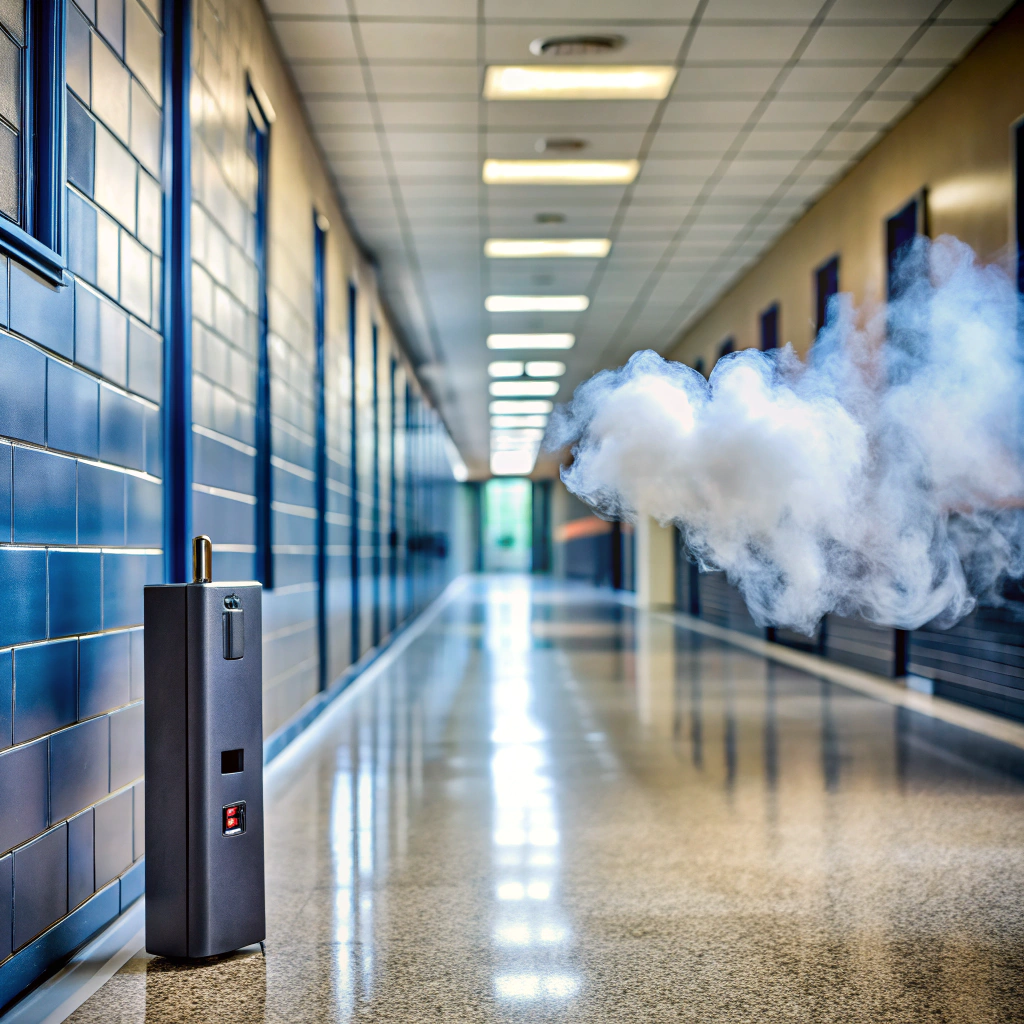
What happens when a vape detector senses vapor?
When activated, alarms alert designated personnel or law enforcement for immediate action.
Is there ongoing research into improving vape detection methods?
Absolutely! Continuous advancements aim at refining technologies for better accuracy and quicker response times.
Conclusion
The battle against youth vaping is far from over; however, innovations like vape detectors represent a significant stride forward for law enforcement agencies committed to protecting our youth's health and future. By combining cutting-edge technology with community engagement strategies—alongside robust legal frameworks—we can create safer environments conducive not only for learning but also for growth free from harmful substances like nicotine-laden vapors.
A comprehensive approach involving education, innovation, collaboration among stakeholders will be critical as we navigate this challenge going forward while maintaining focus on fostering healthier habits across generations.
This article serves as both an informative piece on how law enforcement employs modern technology against youth vaping while emphasizing collective responsibility toward creating impactful change within our communities today!